Tips For Explaining Reputable Counterfeit Money Providers To Your Boss
The Dark World of Counterfeit Money: A Cautionary Exploration In the elaborate and frequently shadowy world of financing, the problem of counterfeit money stands as a powerful challenge to economic stability and the rely on currency. Regardless of strict steps by federal governments and banks worldwide, the production and circulation of fake banknotes continue to position significant threats. This post explores the techniques, impacts, and preventive procedures versus counterfeit money, supplying a detailed understanding of this unlawful activity. It is essential to keep in mind that this post is for educational purposes only and does not endorse or motivate any illegal activities. Comprehending Counterfeit Money Counterfeit money refers to banknotes or coins that are not genuine, produced without the legal authority of a federal government or financial institution. These fake currencies are developed to deceive people and services, frequently with high levels of elegance. The intentions behind counterfeiting vary, varying from monetary gain to political disturbance. Counterfeiters utilize various strategies, from conventional printing methods to sophisticated digital technologies, to produce these deceptive notes. The Methods of Counterfeiting Traditional Printing Techniques: Offset Printing: This is among the earliest approaches, where counterfeiters use big printing presses to produce fake banknotes. While less typical today due to the high cost and technical knowledge needed, it is still utilized by some sophisticated operations. Lithography: This method includes creating an image on a flat surface area, such as a metal plate or stone, and then transferring it to paper. Lithographic fakes can be very in-depth however are likewise more tough to produce in large quantities. Digital and Modern Techniques: 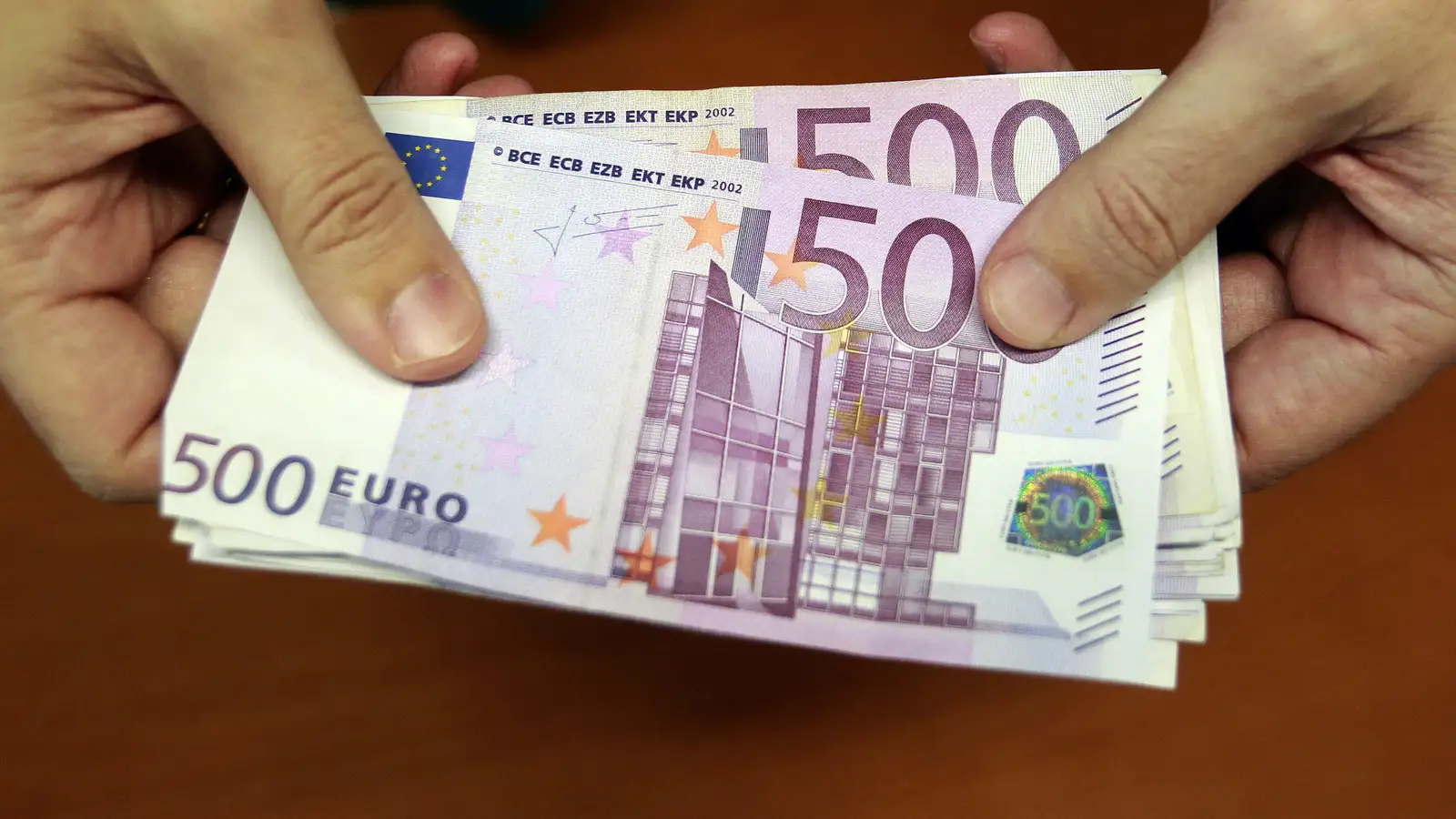 Inkjet Printing: With the development of high-resolution printers, counterfeiters can now produce banknotes with remarkable accuracy. This approach is less expensive and more accessible, making it a popular option for small operations. Color Laser Printing: Similar to inkjet printing, color printer can produce premium counterfeit notes. Nevertheless, they are more expensive and require more specific understanding. 3D Printing: Some counterfeiters are starting to utilize 3D printers to develop the embossed functions found on genuine banknotes, adding another layer of intricacy to the detection process. Materials and Equipment: Paper and Ink: Counterfeiters often use premium paper and specialized inks to simulate the feel and look of real banknotes. The paper used in real currencies is often special and difficult to get, however substitutes can be developed. Security Features: Modern banknotes are geared up with various security functions, such as watermarks, holograms, and security threads. Counterfeiters attempt to duplicate these features utilizing sophisticated methods, but they are often imperfect and can be found by qualified experts. The Impact of Counterfeit Money Financial Consequences: Inflation: The intro of counterfeit money into the economy can cause inflation, as the increased money supply devalues the currency. Loss of Trust: When counterfeit notes are discovered, it can deteriorate public confidence in the currency and the financial system. This can have long-lasting effects on financial stability. Financial Losses: Individuals and organizations that accept counterfeit money typically suffer financial losses, as they are not reimbursable by the federal government or financial institutions. Legal and Ethical Implications: Criminal Charges: Possession and distribution of counterfeit money are severe criminal offenses, punishable by substantial fines and jail time. Moral Responsibility: Beyond the legal consequences, there are considerable ethical implications. Counterfeiting not just damages the economy however also makes use of the trust of innocent people. Social and Cultural Impact: Neighborhood Disruption: Counterfeit money can interfere with regional neighborhoods, resulting in increased criminal offense and social discontent. Reputation Damage: Businesses that accidentally accept and circulate counterfeit money can suffer serious reputational damage, losing customers and trust. Preventive Measures Against Counterfeit Money Public Awareness: Educational Campaigns: Governments and banks often run instructional projects to notify the general public about the security functions of real banknotes and how to determine counterfeits. Training for Businesses: Retailers and financial organizations are supplied with training to recognize and manage presumed counterfeit money. Technological Advances: Improved Security Features: Central banks continuously develop new security features to stay ahead of counterfeiters. These consist of watermarks, color-shifting inks, and embedded security threads. Blockchain and Digital Currencies: Some countries are checking out the use of blockchain innovation and digital currencies to decrease the prevalence of counterfeit money. These innovations provide a more secure and transparent methods of conducting transactions. Legal and Regulatory Actions: Stricter Laws: Governments are implementing more stringent laws and penalties to prevent counterfeiters. International Cooperation: Counterfeit money is a global concern, and global cooperation is necessary to fight it. Law enforcement firms from different countries work together to track and apprehend counterfeiters. Frequently Asked Questions (FAQs). How can one identify counterfeit money? Security Features: Check for watermarks, security threads, and color-shifting inks. These functions are tough to reproduce properly. Raised Printing: Genuine banknotes have actually a slightly raised texture due to the printing procedure. Fakes frequently lack this function. Microprint: Look for microprint, which is extremely small text that is hard to recreate without high-quality devices. What should I do if I suspect a banknote is counterfeit? Do Not Pass It On: If you suspect a note is counterfeit, do not try to invest it. This can cause legal trouble and further dissemination of the counterfeit. Contact Authorities: Report your suspicion to the local cops or banks. They have the proficiency to validate the authenticity of the note and take appropriate action. Exist any penalties for accepting counterfeit money? No Penalties for Victims: Individuals and companies that unknowingly accept counterfeit money are generally not penalized. However, they are not compensated for the worth of the fake note. Penalties for Circulation: Those who intentionally accept and circulate counterfeit money can face serious legal repercussions, consisting of fines and jail time. How does counterfeiting impact the economy? Inflation: The increase of counterfeit money can lead to inflation, as the worth of the currency is watered down. Loss of Trust: Economic stability counts on trust in the currency. Counterfeiting can erode this trust, causing wider economic concerns. What is the function of innovation in preventing counterfeiting? Advanced Printing Techniques: Modern security functions, such as holograms and color-shifting inks, make it harder for counterfeiters to reproduce banknotes. Blockchain and Digital Currencies: These technologies provide a more safe and transparent technique of deals, minimizing the risk of counterfeit money. Conclusion. Counterfeit money remains a significant risk to financial stability and public trust. Comprehending fälschungen kaufen utilized by counterfeiters, the effects of their actions, and the preventive steps in location is vital for people and services alike. By staying informed and alert, the general public can play a crucial role in combating this unlawful activity. Federal governments and monetary organizations should continue to innovate and work together to safeguard the stability of the currency and the wider economic system. Additional Resources. Reserve Bank Websites: Most reserve banks provide in-depth information on the security functions of their banknotes and how to identify fakes. Financial Institutions: Local banks and cooperative credit union often provide training and resources to help organizations acknowledge and manage counterfeit money. Law Enforcement: Reporting suspicions to regional police can help track and nab counterfeiters, protecting the neighborhood from further damage. By working together and remaining notified, society can take significant actions toward alleviating the dangers connected with counterfeit money and keeping a steady and trustworthy financial system.